






Products
Our products cover multiple core areas such as fine chemicals, basic chemicals, and specialty chemicals, and are widely used in key industries such as coatings, building materials, pharmaceuticals, new energy, and new materials.
CAS No.: 7647-14-5
Molecular Weight:58.44277
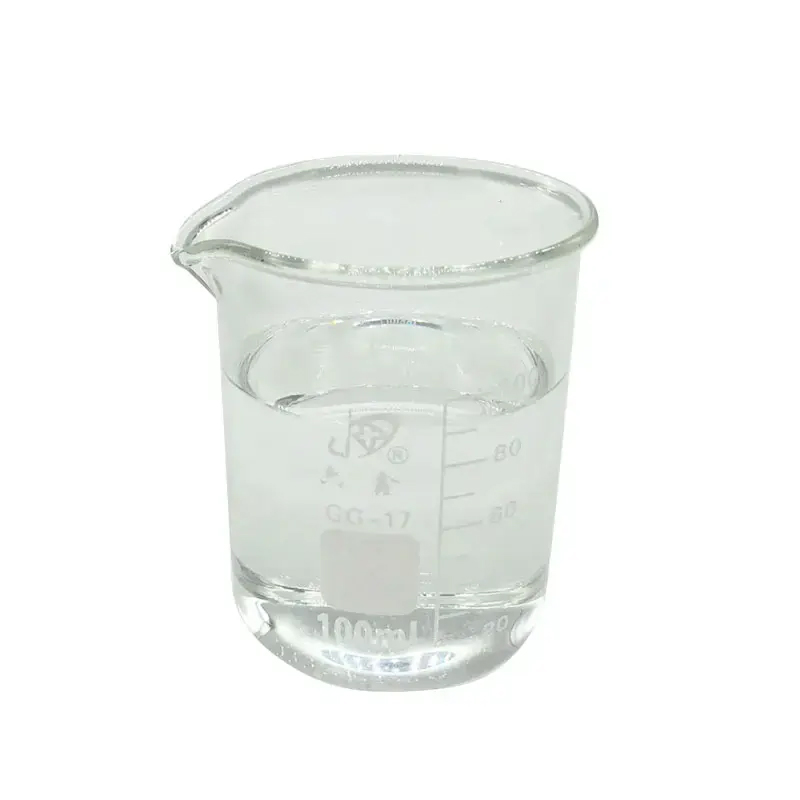
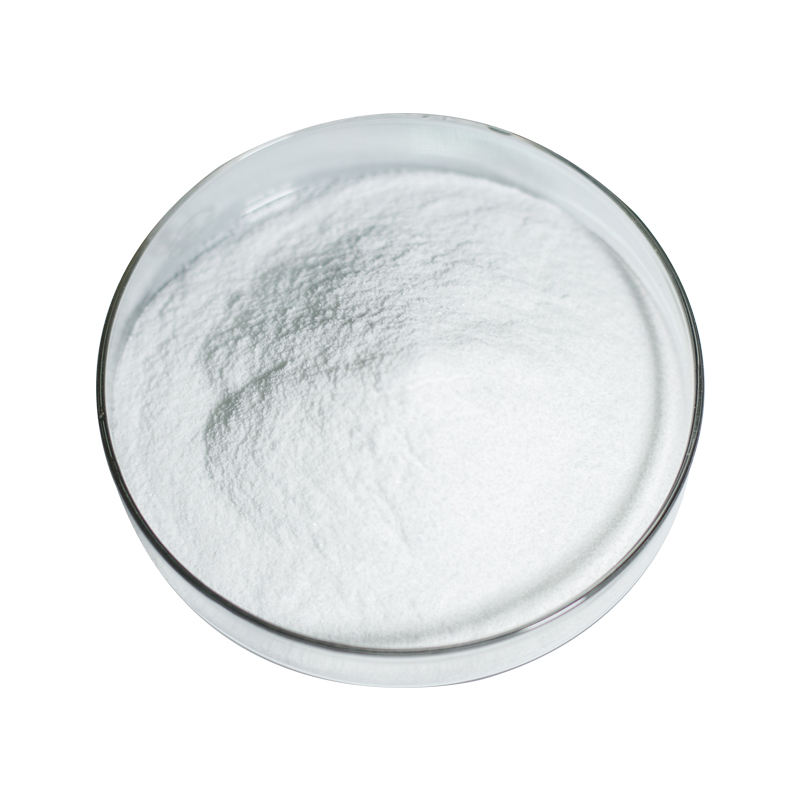
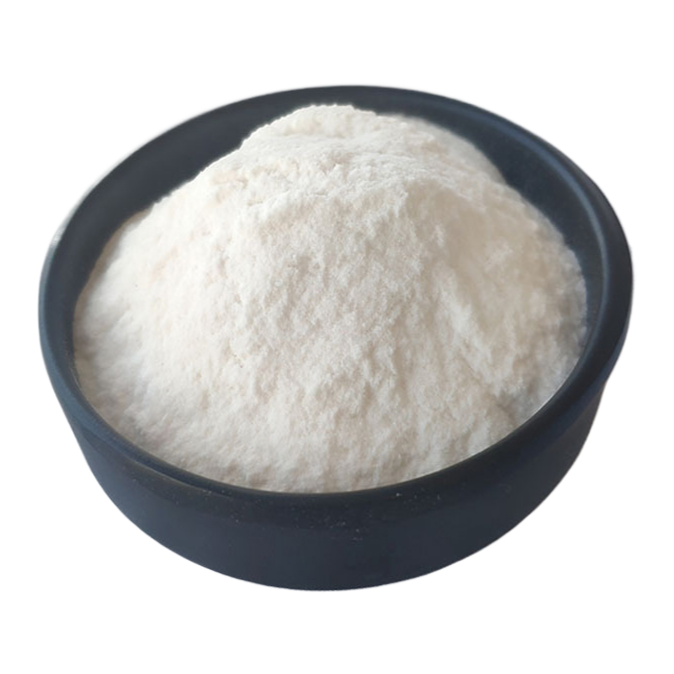
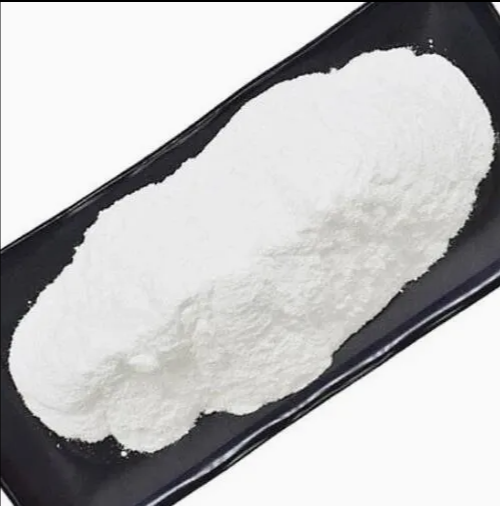
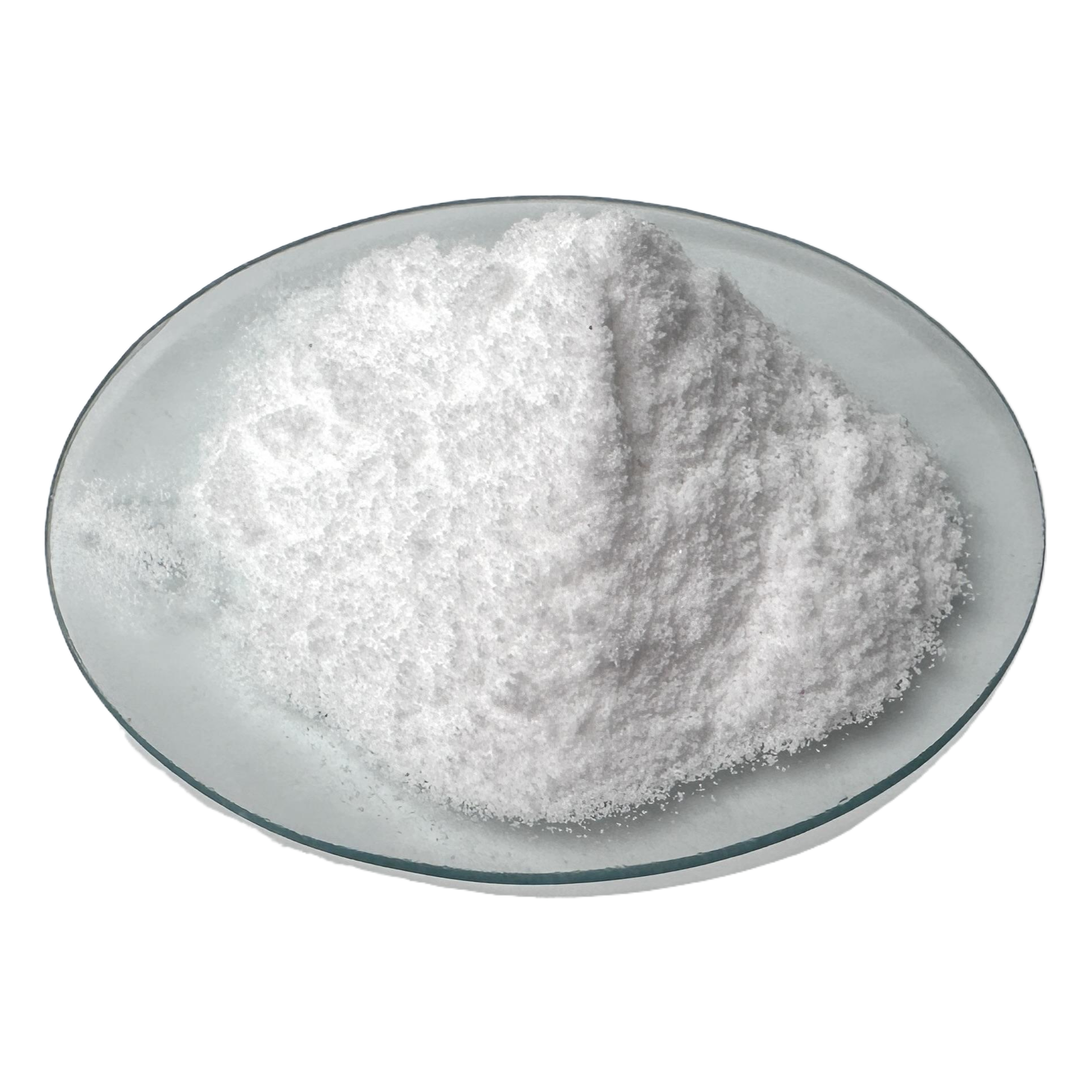
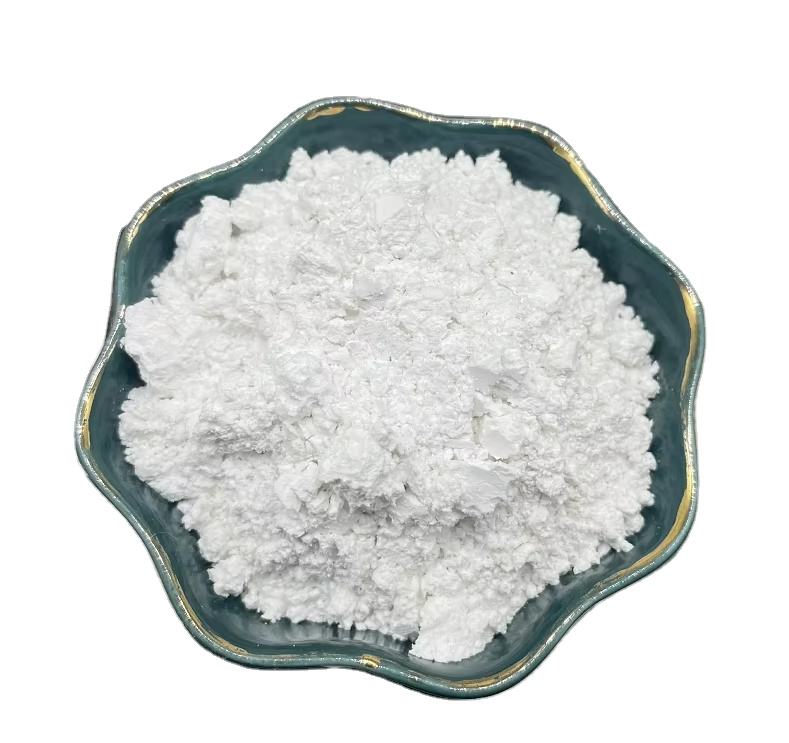
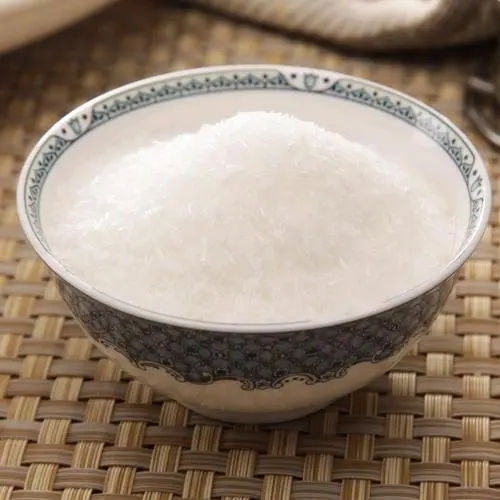
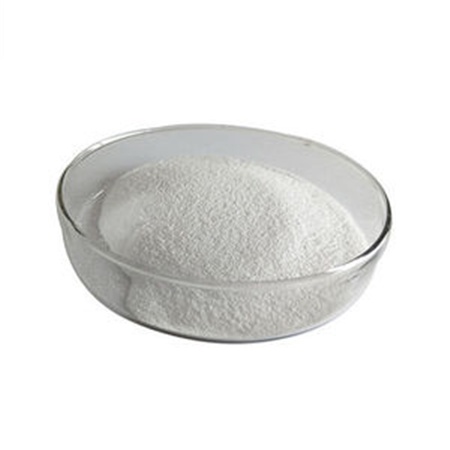
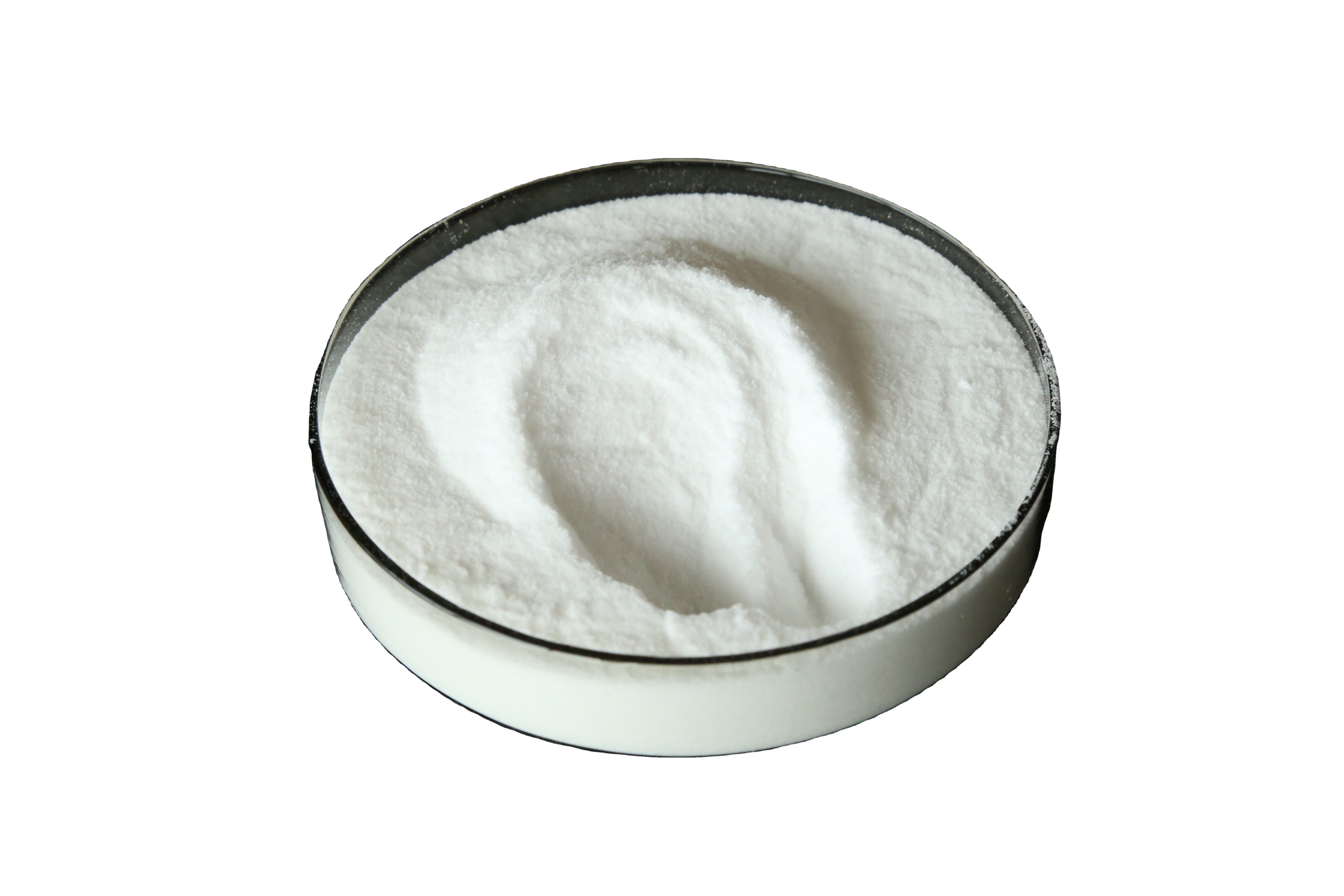
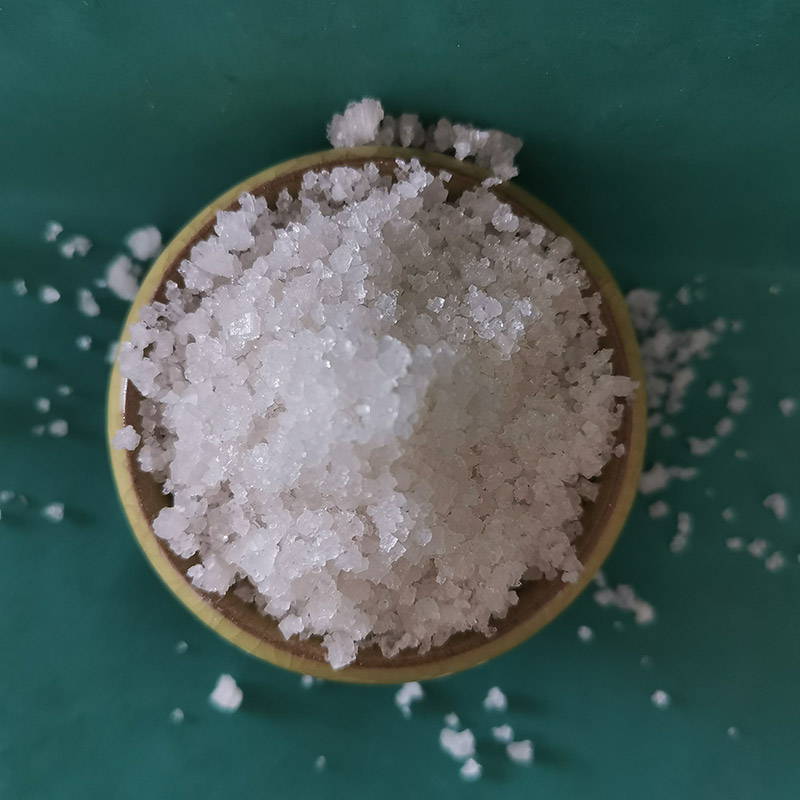
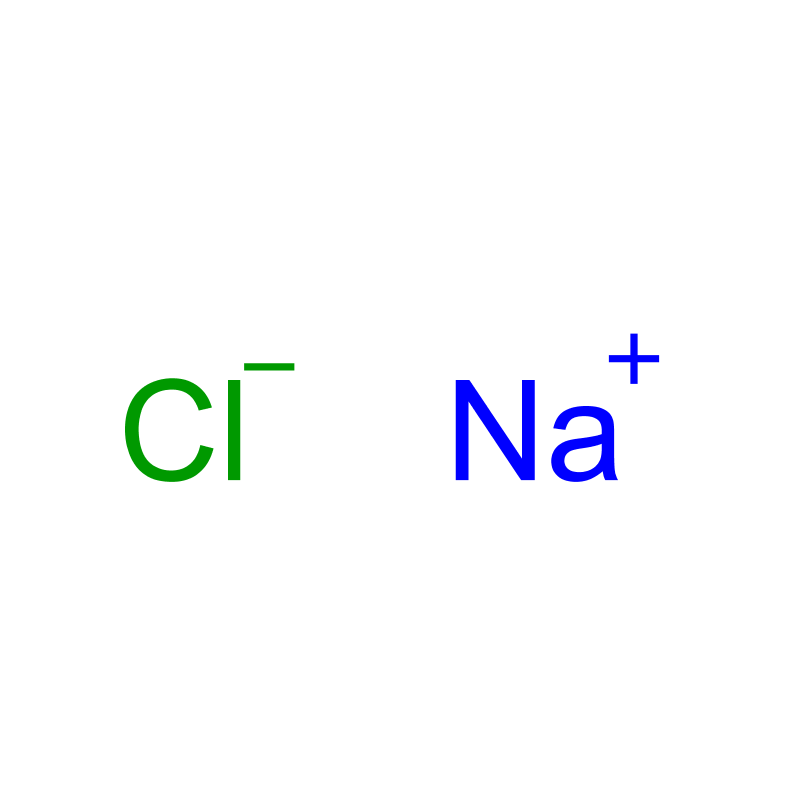
Sodium chloride (NaCl) is an inorganic ionic compound composed of sodium and chlorine ions in a 1:1 ratio. At room temperature, it exists as a white crystalline solid with a cubic crystal lattice structure and is typically odorless. Due to the strong electrostatic forces between its constituent ions, sodium chloride exhibits high melting and boiling points, making it stable under ambient conditions. It is highly soluble in water and other polar solvents, where it dissociates into Na⁺ and Cl⁻ ions, contributing to its widespread use in various applications.
Contact information
PRODUCT DESCRIPTION
1.1 NameSodium chloride
1.2 Synonyms
BICINE HIGH PURITY GRADEBORIC ACID SODIUM DECAHYDRATE NF GRADEEINECS 231-598-3MFCD00003477sodium hydrochloride
1.3 CAS No.7647-14-5
1.4 CID5234
1.5 EINECS(EC#)231-598-3
1.6 Molecular FormulaNaCl (isomer)
1.7 InchiInChI=1S/ClH.Na/h1H;/q;+1/p-1
1.8 InChIkeyFAPWRFPIFSIZLT-UHFFFAOYSA-M
1.9 Canonical Smiles[Na+].[Cl-]
1.10 Isomers Smiles[Na+].[Cl-]
2. Properties
2.1 Density1.199 g/mL at 20 °C
2.1 Melting point801 °C(lit.)
2.1 Boiling point100 °C750 mm Hg
2.1 Refractive indexn20/D 1.378
2.1 Flash Point1413°C
2.1 Vapour Pressure1 mm Hg ( 865 °C)
2.2 Precise Quality57.95860
2.2 PSA0.00000
2.2 SolubilityH2O: soluble
2.3 ViscosityViscosity of saturated aqueous solution = 1.93 mPa-s
2.4 Appearancecolourless crystals or white powder
2.5 StorageAqueous sodium chloride solutions are stable but may cause theseparation of glass particles from certain types of glass containers.Aqueous solutions may be sterilized by autoclaving or filtration.The solid material is stable and should be stored in a well-closedcontainer, in a cool, dry place.It has been shown that the compaction characteristics and themechanical properties of tablets are influenced by the relativehumidity of the storage conditions under which sodium chloridewas kept.
2.6 Chemical PropertiesSodium chloride, NaCl, also known as common salt and halite, is a white crystalline solid.It is soluble in water,slightly soluble in alcohol, and melts at 804 °C (1480 °F). Sodium chloride is the most important sodium mineral and occurs naturally in seawater, underground deposits, and brine wells.Sodiumchlorideis a basic raw material for the production of chlorine,sodium hypochlorite, sodium bisulfate,soda ash, and hydrogen chloride. Sodium chloride is also used in food preparation, fertilizers, and by highway departments to control icy road conditions.
2.7 Physical PropertiesSodium chloride is the familiar compound commonly referred to as salt or table salt. Th emineral form of sodium chloride is halite and is found in natural deposits throughout theworld. It accounts for approximately 2.7% by weight of the dissolved minerals in seawater.Sodium chloride is an ionic compound existing as a white crystalline cubic structure of alternatingsodium and chloride ions. Sodium chloride is essential for life, with the average adultrequiring about 1 to 2 grams per day. Salt supplies sodium and provides numerous essentialfunctions such as maintaining water balance in cells, taking part in nerve signal transmissionand muscle contraction.
2.8 Color/FormWhite
2.9 CorrosivitySodium chloride solutions are corrosive to base metals
2.10 DecompositionWhen heated to decomposition it emits toxic fumes of /hydrochloric acid and disodium oxide/.
2.11 PH5.5-6.5(1 tablet in 100 mL purified water)
2.12 Water Solubility360 g/L (20 oC)
2.13 Spectral PropertiesIndex of refraction: 1.5442
2.14 StabilityStable. Incompatible with strong oxidizing agents.
2.15 StorageTemp+15C to +30C
2.16 Surface Tension110 mN/m at 850 deg C /Molten sodium chloride/
3. Use and Manufacturing
3.1 Agricultural UsesHalite is a naturally occurring sodium chloride (NaCl) deposit. The most abundant potash mineral deposit is sylvite (KCl). Sylvite with halite forms the common potash ore, called sylvinite.
3.2 DefinitionChEBI: An inorganic chloride salt having sodium(1+) as the counterion.
3.3 General DescriptionA white crystalline solid. Commercial grade usually contains some chlorides of calcium and magnesium which absorb moisture and cause caking.
3.4 Produe MethodSodium chloride occurs naturally as the mineral halite. Commercially,it is obtained by the solar evaporation of sea water, by mining,or by the evaporation of brine from underground salt deposits.
3.5 Purification MethodsIt is recrystallised from a saturated aqueous solution (2.7mL/g) by passing in HCl gas, or by adding EtOH or acetone. It can be freed from bromide and iodide impurities by adding chlorine water to an aqueous solution and boiling it for some time to expel free bromine and iodine. Traces of iron can be removed by prolonged boiling of solid NaCl in 6M HCl; the crystals are then washed with EtOH and dried at ca 100o. Sodium chloride has been purified by sublimation in a stream of pre-purified N2 and collected by electrostatic discharge [Ross & Winkler J Am Chem Soc 76 2637 1954]. For use as a primary analytical standard, analytical reagent grade NaCl should be finely ground, dried in an electric furnace at 500-600o in a platinum crucible, and allowed to cool in a desiccator. For most purposes, however, drying at 110-120o is satisfactory.
3.6 UsageFacilitates the cross-coupling of organostannanes with iodides without using palladium.
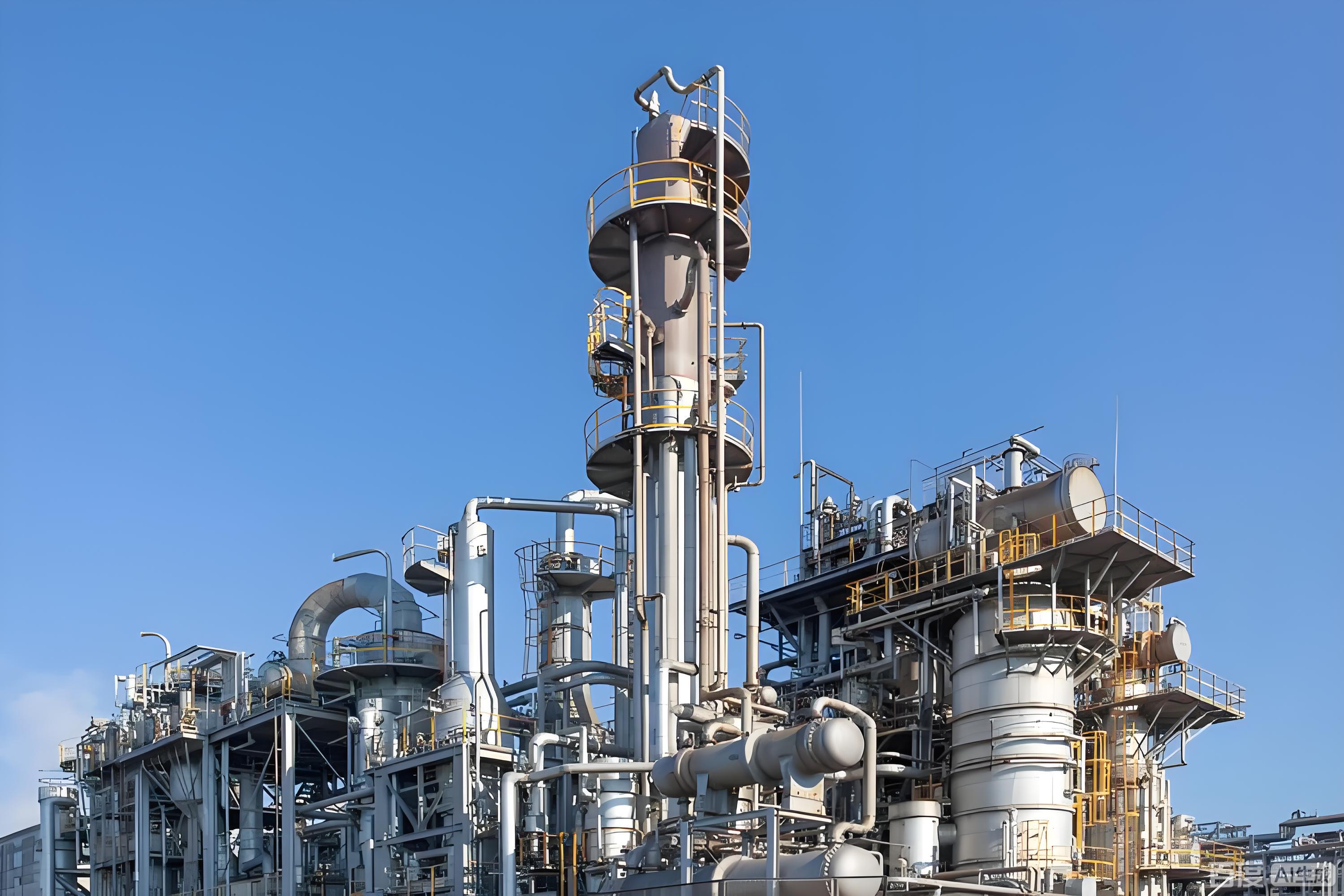
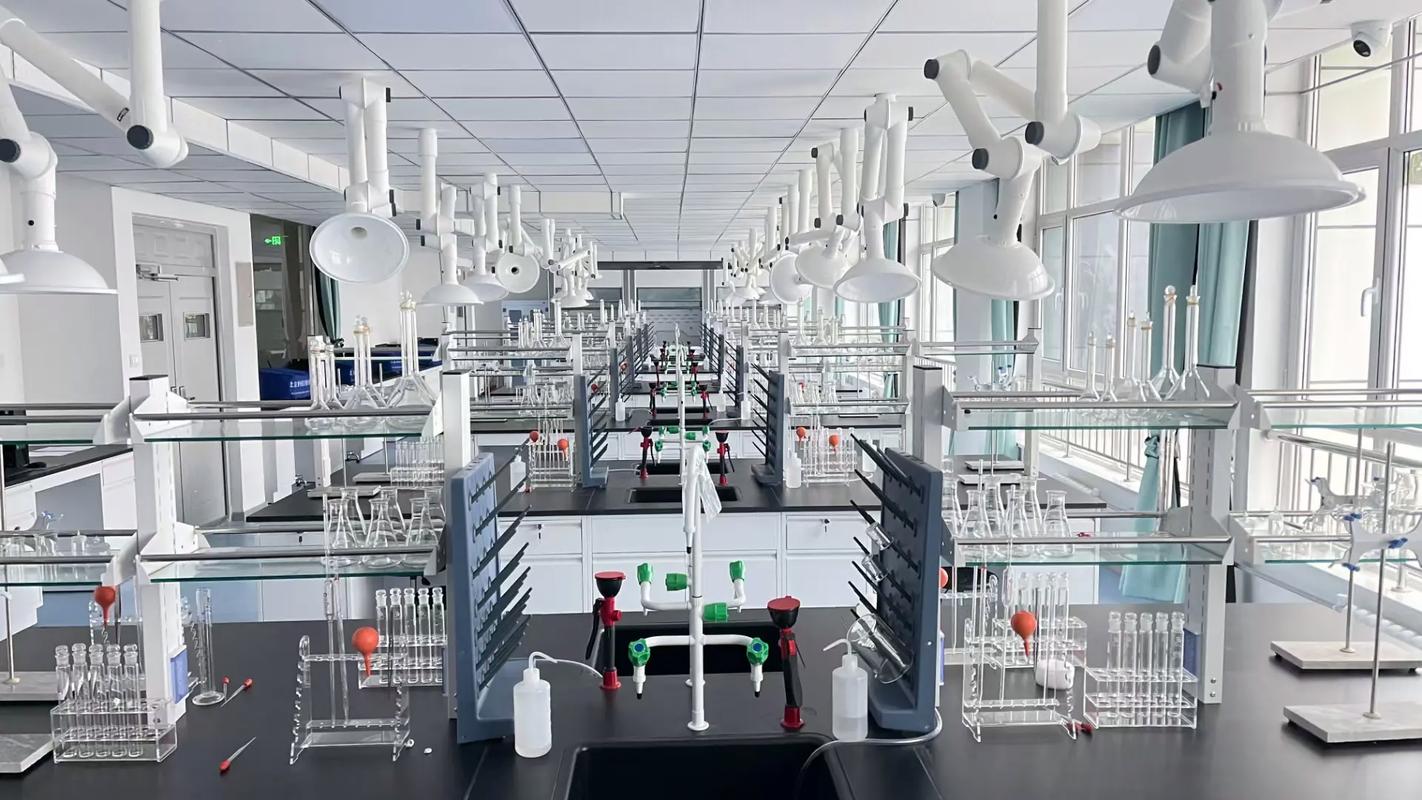
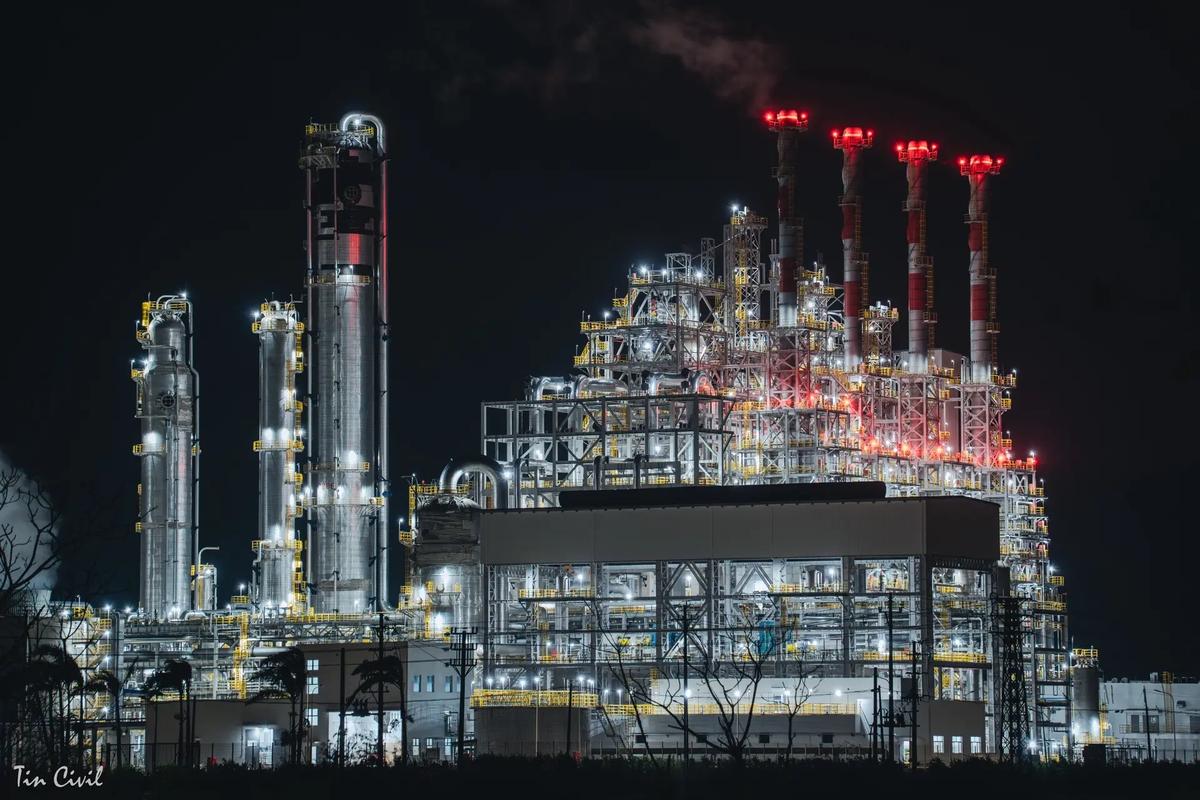
Factory Showcase
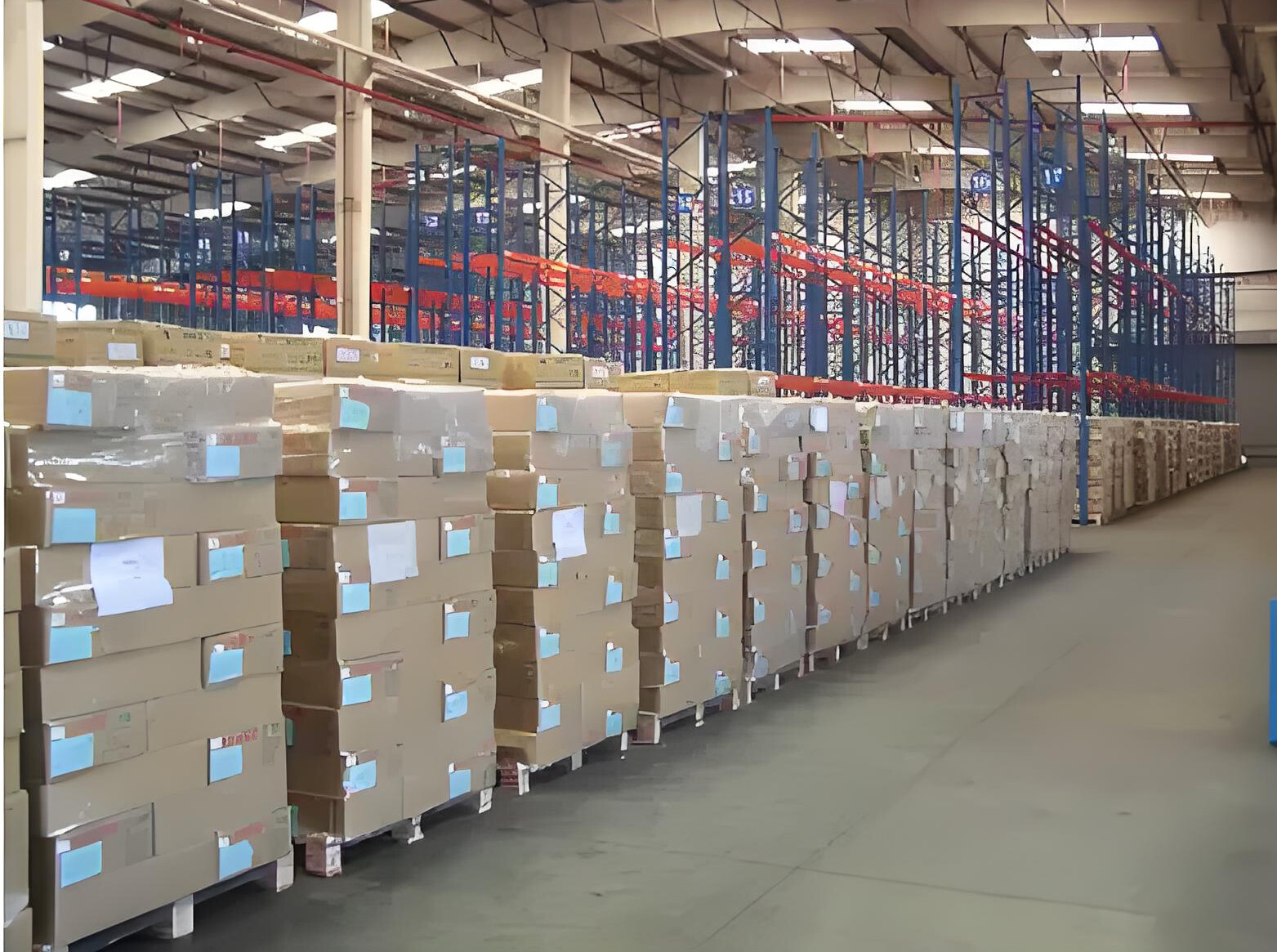
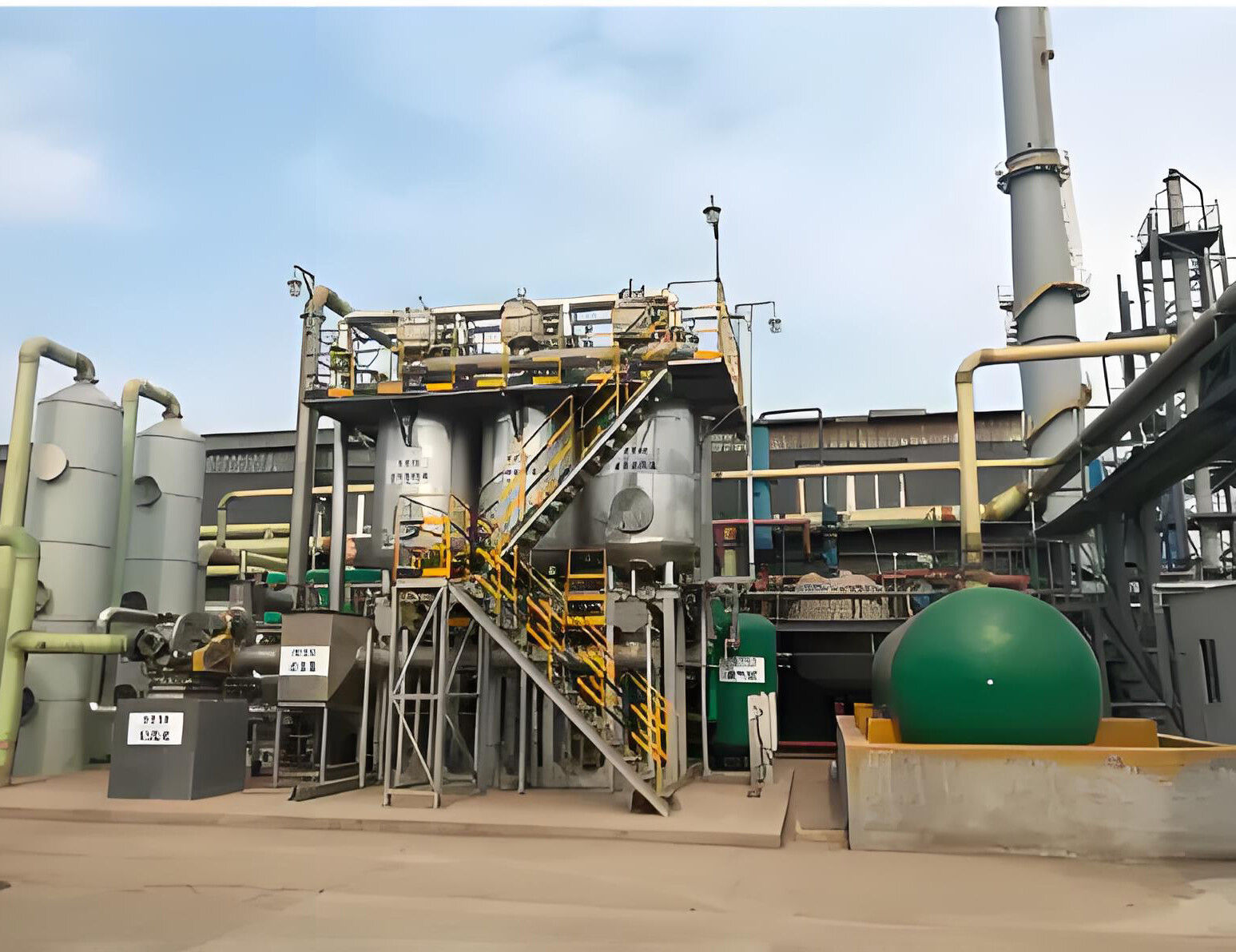

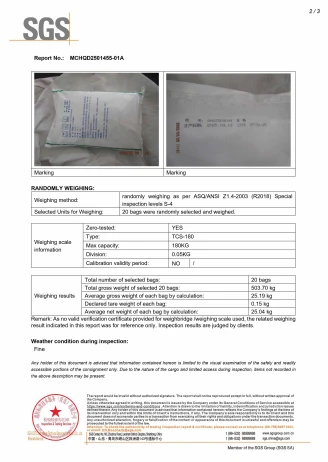
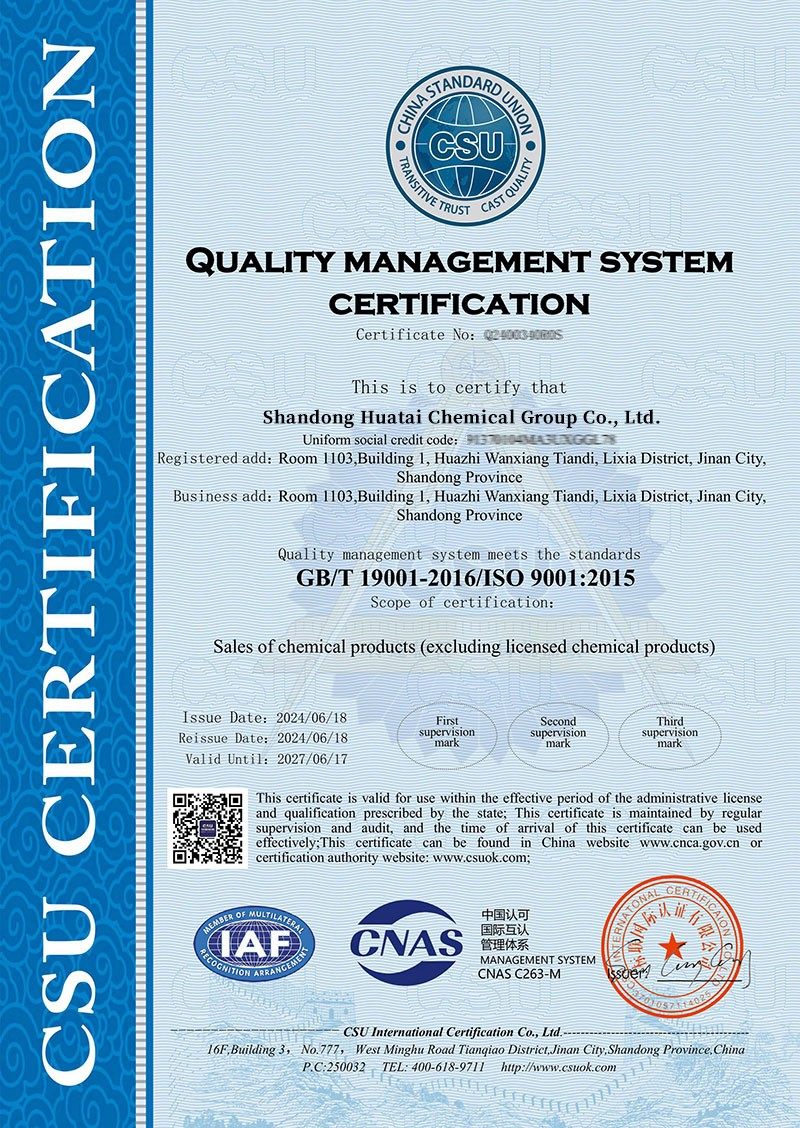
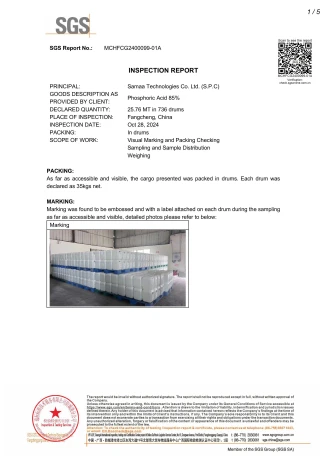
Certificate of Honor
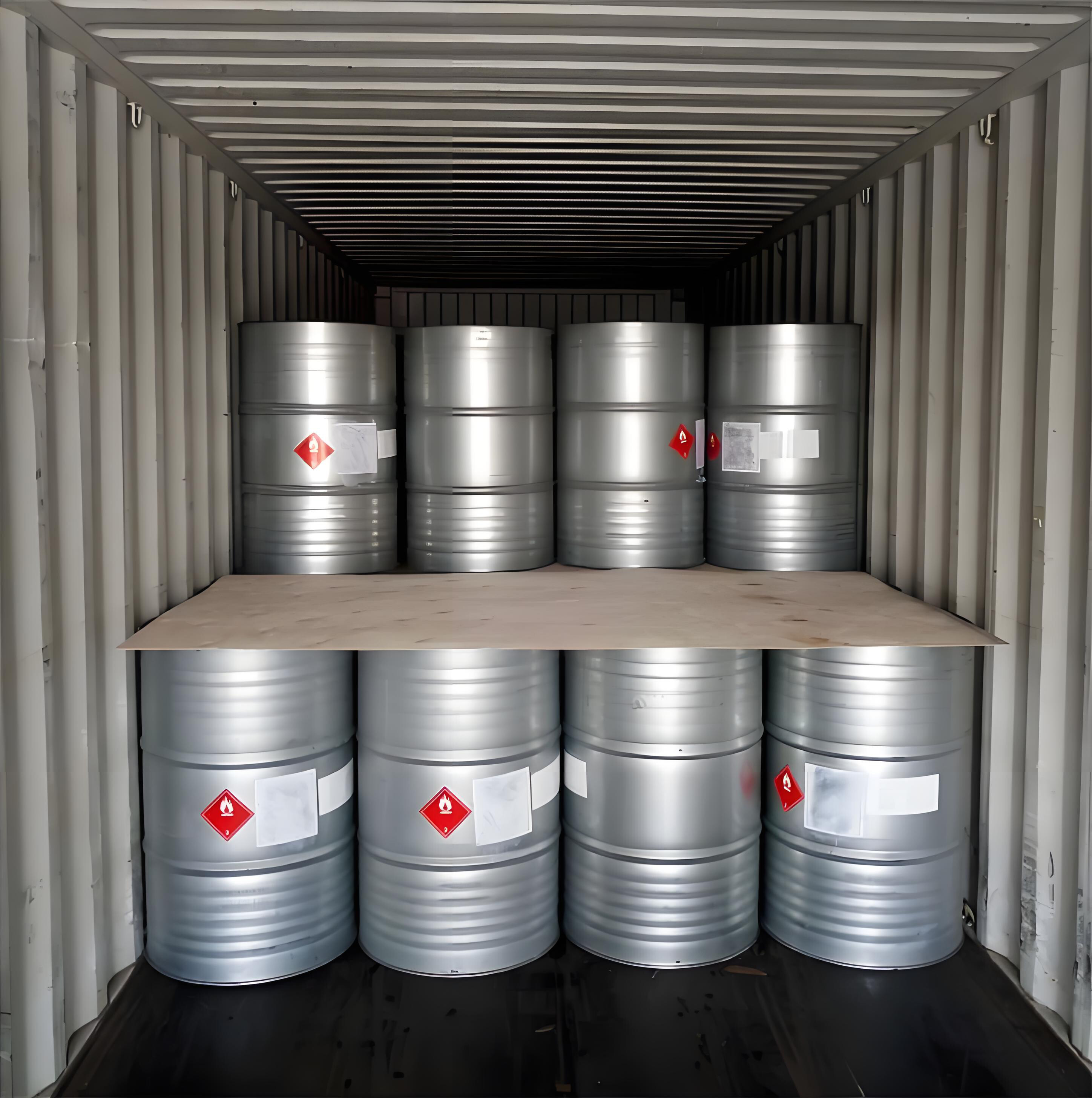
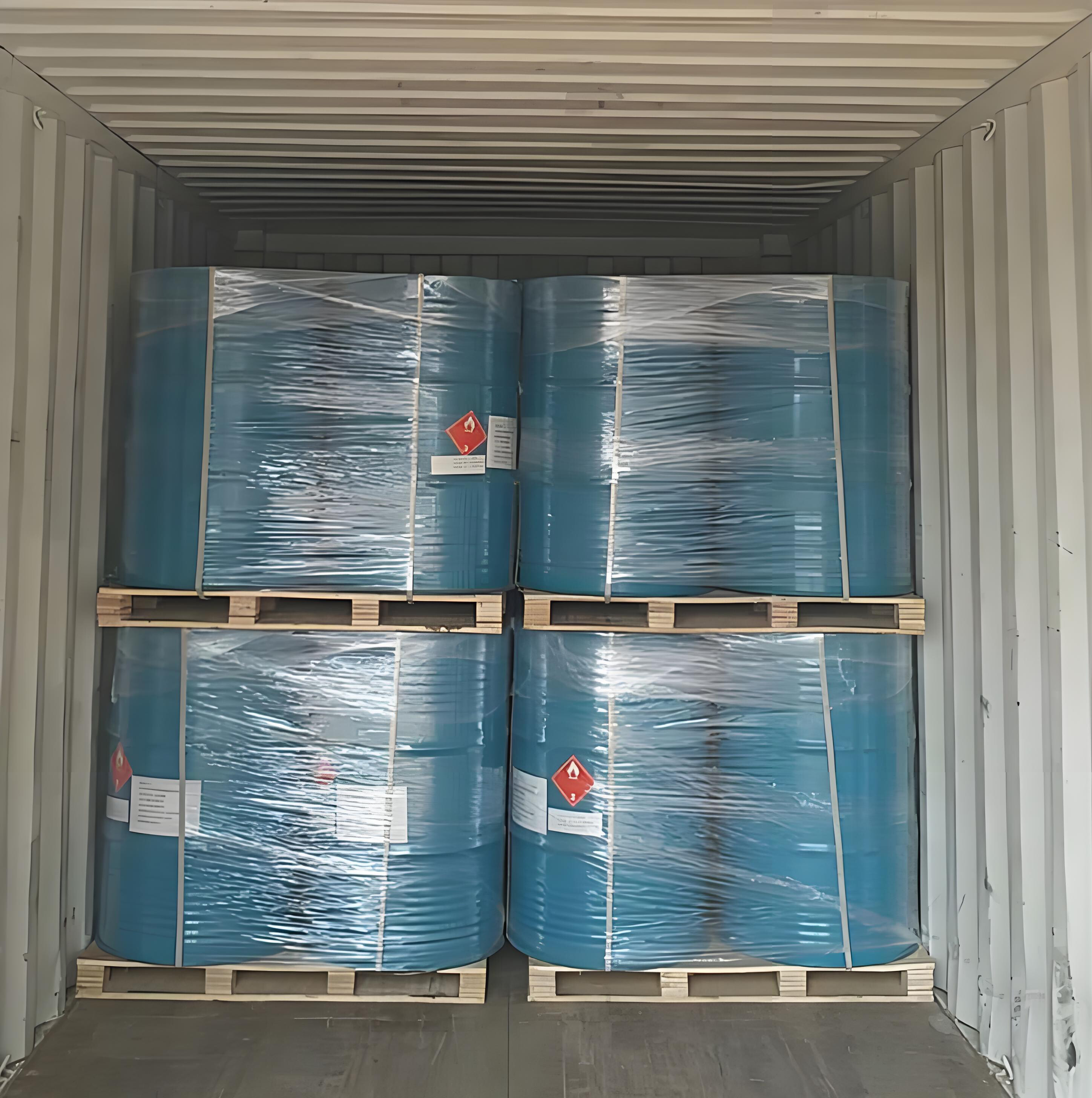
Fast transport time
Inventory 2-3 working days New manufacturing 7-10 working days
FAQ
Q:What about your price?
A:Our price is very competitive because we are a factory. Feel free to contact us if you are interested in our products.
Q:Can I go to your factory to visit?
A:Of course, we welcome customers from all over the world to visit our factory.
Q:How about the delivery time?
A:Within 3-15 days after we confirm you requirement.
Q:What is your terms of payment ?
A:T/T, L/C at sight, Cash, Western Union are all accepted if you have other payment,please contact me.
Q: Do you provide samples?
A:Yes,we could offer the sample for you to test but please pay freight fee.
INQUIRY
Application scenarios
 VIEW MOREIndustrial & Heavy ManufacturingThis article explores key products such as Soda Ash, Silicon Dioxide, Cryolite, Potassium Tetrafluoroaluminate, Industrial Sodium Chloride, Water Reducer, Dimethyl Sulfoxide (DMSO), and DMF in typical use cases.
 VIEW MOREFood & Nutritional HealthThis article details specific applications of our product lines including Citric Acid, L-Sodium Glutamate, Sweeteners, NMN, L-Ergothioneine, Tocopherol (Vitamin E) , Carboxymethyl Cellulose (CMC) , as well as Methionine and Lysine in food and animal nutrition.
 VIEW MOREPharmaceuticals & Personal CareThis article systematically analyzes the application value of our core products including L-Tartaric Acid, Cholesterol, Creatine Phosphate, Sodium Hyaluronate, Kojic Acid, Sodium Lauroyl Glutamate, and Cetearyl Alcohol in real-world scenarios.
 VIEW MOREAgriculture & Ecological TreatmentThis article details the practical applications of our products including Ammonium Chloride, Ammonium Bicarbonate, Hinokitiol, EDTA series (EDTA, EDTA-2Na, EDTA-4Na), and Calcium Chloride in agricultural productivity, green plant protection, and ecological water treatment.
 VIEW MOREHigh-Performance Materials & PolymersThis article focuses on core raw materials in our product line, including 2,5-Furandicarboxylic Acid (FDCA), Erucic Acid, Hydroxypropyl Methacrylate (HPMA), 2-Ethyl-4-methylimidazole, Hydroquinone, and Acetic Anhydride, analyzing their key roles in polymer synthesis, modification, and processing.
 VIEW MOREGeneral Chemicals & Fine SynthesisThis article systematically introduces the core raw materials in our General Chemicals & Fine Synthesis product line—Acetic Anhydride, Benzyl Chloride, Dimethylamine Aqueous Solution, Creatinine, Creatinine Hydrochloride, Calcium Stearate, Magnesium Stearate, EDTA-2Na/4Na—in practical applications within laboratories, CRO/CDMOs, and small-to-medium-sized factories.




RELATED PRODUCTS
 Propionic acid CAS#79-09-4CAS No.: 79-09-4
Molecular Formula: CH3CH2COOH
Molecular Weight: 74.08Learn More
 Sodium carbonate CAS#497-19-8Iupac Name:disodium;carbonate
CAS No.: 497-19-8
Molecular Weight:105.988
Sodium carbonate (CNa2O3) is an inorganic compound belonging to the class of carbonate salts. At room temperature, it exists as a white, odorless solid that typically appears in powder or granular form. It is commonly encountered in a highly crystalline state and may exhibit hygroscopic properties under ambient conditions.Learn More
 Silicon dioxide CAS#7631-86-9Iupac Name:dioxosilane
CAS No.: 7631-86-9
Molecular Weight:60.0843
Introduction:
Silicon Dioxide (SiO₂) is an inorganic compound. It is a crystalline solid at room temperature, typically appearing as a colorless, odorless substance. In its most common form, silicon dioxide exhibits a transparent to translucentLearn More
 Formic acid CAS#64-18-6Formic acid
CAS No.:64-18-6
Molecular formula: CH2O2
Molecular weight: 46.02538Learn More
 Sodium formate CAS#141-53-7Iupac Name:sodium;formate
CAS No.: 141-53-7
Molecular Weight:68.01
Sodium formate (CHNaO2) is a sodium salt of formic acid and is best classified as an inorganic compound with organic functionality, specifically a carboxylic acid derivative. At room temperature, sodium formate typically exists as a white crystalline solid with a slight acetate-like odor. It is hygroscopic in nature and readily soluble in water, forming a clear, colorless solution upon dissolution.Learn More
 Ammonium chloride CAS#12125-02-9Iupac Name:azanium;chloride
CAS No.: 12125-02-9
Molecular Weight:53.489
Introduction:
Ammonium chloride (ClH4N) is an inorganic ionic compound. It appears as a white crystalline solid at room temperature, is odorless, and typically forms fine granules or powder. The compound is highly soluble in water, forming a colorless solution, and exhibits hygroscopic properties, meaning it can absorb moisture from the surrounding environment. As an ammonium salt of hydrochloric acid, it belongs to the class of inorganic salts and is widely used in various industrial and scientific applications.Learn More
 Calcium chloride CAS#10043-52-4Iupac Name:calcium;dichloride
CAS No.: 10043-52-4
Molecular Weight:110.984
Introduction:
Calcium chloride (CaCl2) is an inorganic ionic compound. At room temperature, it exists as a white crystalline solid with a hygroscopic nature and is generally odorless. The compound readily absorbs moisture from the surrounding environment, which often leads to clumping or dissolution if left exposed to ambient air. Calcium chloride is highly soluble in water, and its dissolution is exothermic, releasing a significant amount of heat.Learn More
 Cryolite CAS#15096-52-3Iupac Name:aluminum;trisodium;hexafluoride
CAS No.: 15096-52-3
Molecular Weight:209.94100
Introduction:
Cryolite (Na3AlF6) is an inorganic mineral compound and a fluorinated coordination compound, featuring an octahedral [AlF6]3− anion coordinated to sodium cations. At room temperature, it appears as a white to colorless, crystalline solid with a vitreous luster; it is odorless and non-volatile.Learn More
 L-glutamic acid monosodium salt monohydrate CAS#32221-81-1Iupac Name:sodium;4-amino-5-hydroxy-5-oxopentanoate
CAS No.: 32221-81-1
Molecular Weight:169.11109
Introduction:
L-Glutamic Acid Monosodium Salt Monohydrate (C5H8NNaO4) is a biochemical compound and carboxylic acid derivative. At room temperature, it exists as a white to off-white crystalline powder, odorless with a characteristic savory or umami taste. It is highly soluble in water but insoluble in organic solvents such as ethanol and ether, reflecting its polar ionic nature due to the presence of both carboxylate and ammonium functional groups.Learn More
 Glycerol CAS#56-81-5Iupac Name:propane-1,2,3-triol
CAS No.: 56-81-5
Molecular Weight:92.09382
Introduction:
Glycerol (C3H8O3) is a biochemical compound and more specifically a polyol (alcohol sugar). It is an odorless, colorless, viscous liquid at room temperature, exhibiting a slightly sweet taste. Due to its hygroscopic nature, glycerol readily absorbs moisture from the environment and is completely miscible with water and alcohol, while being only slightly soluble in acetone and ether. This compound is non-volatile and possesses a high boiling point relative to its molecular weight, which contributes to its stability and utility in various applications.Learn More
 L-Tryptophan CAS#73-22-3Iupac Name:(2S)-2-amino-3-(1H-indol-3-yl)propanoic acid
CAS No.: 73-22-3
Molecular Weight:204.22518
Introduction:
L-Tryptophan (C11H12N2O2) is a biochemical compound and a specific type of amino acid derivative. It is an essential α-amino acid containing an indole functional group, making it a key precursor in the biosynthesis of neurotransmitters such as serotonin and melatonin. At room temperature, L-tryptophan typically appears as a white to off-white crystalline solid, is odorless, and exhibits limited solubility in water, although its solubility increases in acidic or basic environments.Learn More
 Citric acid CAS#77-92-9Iupac Name:2-hydroxypropane-1,2,3-tricarboxylic acid
CAS No.: 77-92-9
Molecular Weight:192.12352
Introduction:
Citric acid (C6H8O7) is a tricarboxylic acid and a key intermediate in the citric acid cycle, a central metabolic pathway in living organisms. At room temperature, citric acid typically exists as a white crystalline solid, often encountered in its monohydrate form. It is odorless and possesses a strong acidic taste, which contributes to its widespread use as a flavoring and preservative agent. As a carboxylic acid derivative and a biochemical compound, citric acid plays essential roles in both biological systems and industrial applications.Learn More
 Carboxymethyl cellulose CAS#9000-11-7Iupac Name:acetic acid;2,3,4,5,6-pentahydroxyhexanal
CAS No.: 9000-11-7
Molecular Weight:240.20784
Introduction:
Carboxymethyl cellulose (C8H16O8) is a carboxylic acid derivative and biochemical compound. At room temperature, it appears as a white or slightly yellowish powder with no noticeable odor. Carboxymethyl cellulose, commonly referred to as CMC, is a water-soluble polymer derived from cellulose. Its structure consists of cellulose chains modified by the introduction of carboxymethyl groups, which impart unique properties such as viscosity modulation and emulsification. As a biochemical compound, it plays a crucial role in various industries due to its biocompatibility and ability to form stable gels or solutions.Learn More
 N,N-Dimethylformamide CAS#68-12-2Iupac Name:N,N-dimethylformamide
CAS No.: 68-12-2
Molecular Weight:73.09378
Introduction:
N,N-Dimethylformamide (C3H7NO) is a polar aprotic solvent and carboxylic acid derivative, specifically the dimethylamide of formic acid. At room temperature, it is a colorless to pale yellow liquid with a faint, characteristic odor often described as faintly fishy or chloroform-like; it is miscible with water and most common organic solvents.Learn More
 Acetic acid CAS#64-19-7Iupac Name:acetic acid
CAS No.: 64-19-7
Molecular Weight:60.05196
Introduction:
Acetic acid (C2H4O2) is a carboxylic acid, one of the simplest organic compounds bearing a carboxyl functional group. At room temperature, it exists as a colorless liquid with a pungent, vinegar-like odor, which is easily recognizable even at low concentrations. Pure acetic acid, also known as glacial acetic acid, has a viscous consistency and can solidify into ice-like crystals below 16.7 °C. As a weak acid, it partially dissociates in aqueous solution, contributing to its widespread use in both industrial and biological contexts.Learn More