







Blog
Focusing on the company's major milestones, industry events, and authoritative perspectives. Listening to the voices of a benchmark enterprise in the chemical industry.
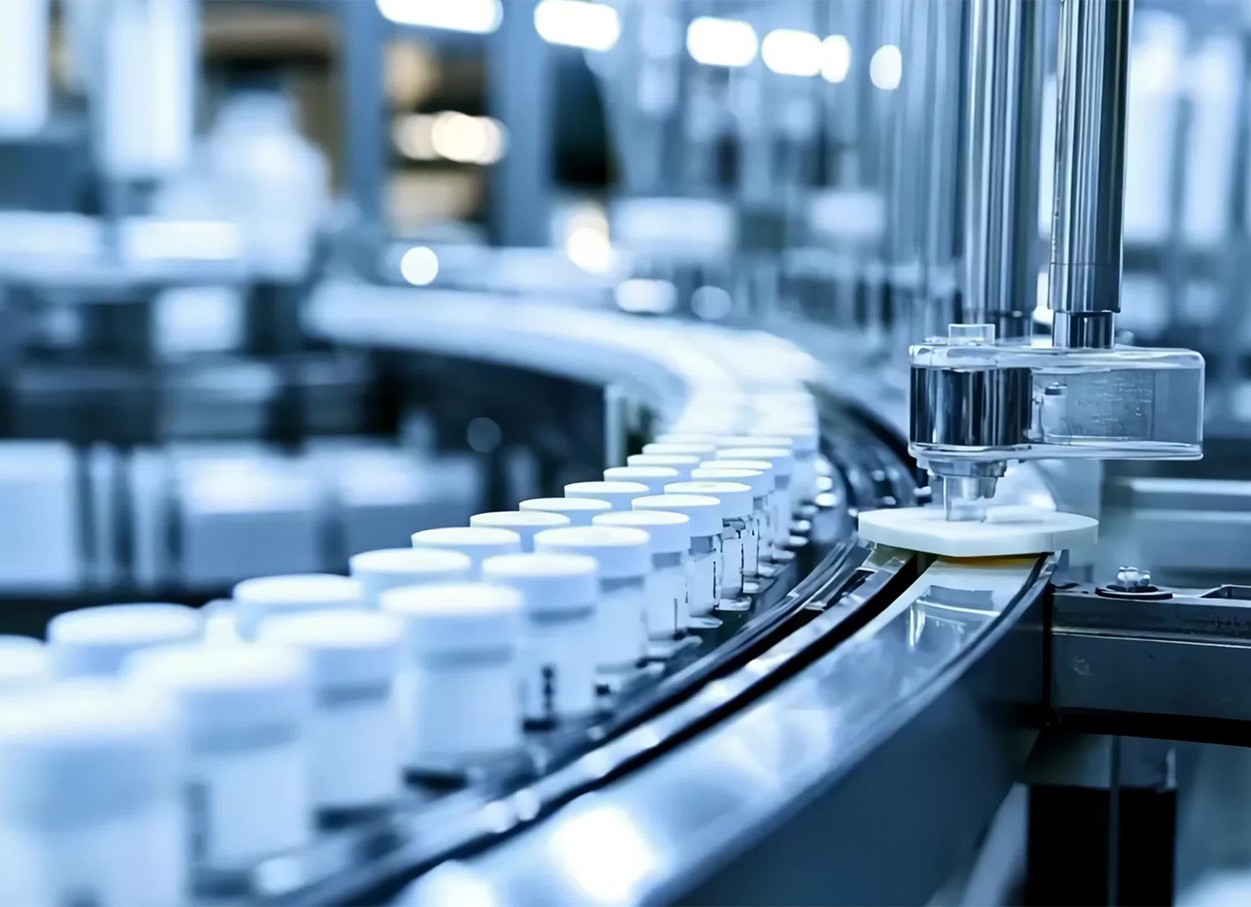
The pharmaceutical and personal care industries are undergoing rapid transformation—the breakthrough of mRNA vaccines, the explosion of anti-aging skincare, and the widespread adoption of mild surfactants all rely on high-purity functional chemicals. From chiral resolution in drug synthesis to lipid delivery systems, from moisturizing fillers to brightening spot correction, pharmaceutical excipients and active cosmetic ingredients are redefining product efficacy and safety. This article systematically analyzes the application value of our core products including L-Tartaric Acid, Cholesterol, Creatine Phosphate, Sodium Hyaluronate, Kojic Acid, Sodium Lauroyl Glutamate, and Cetearyl Alcohol in real-world scenarios.
Key Resolving Agent in Chiral Drug Synthesis: L-Tartaric Acid
Over 50% of small-molecule drugs possess chiral centers, and L-Tartaric Acid is a classic chiral resolving agent. In the industrial production of β-lactam antibiotics (e.g., amoxicillin) and anti-asthma drugs (e.g., salbutamol), L-Tartaric Acid forms diastereomeric salts with racemic mixtures, enabling separation of single enantiomers by crystallization. The purity (≥99%) and optical purity (≥99% ee) of L-Tartaric Acid directly impact resolution yield and final drug quality.
mRNA Vaccines and Lipid Nanoparticle Delivery: Injectable Grade Cholesterol
The success of mRNA vaccines depends on lipid nanoparticle (LNP) delivery systems. Cholesterol is a key structural lipid in LNP formulations, modulating membrane fluidity and stability to help mRNA escape endosomal degradation. Our injectable-grade Cholesterol complies with pharmacopoeia standards (USP/EP/CP), with endotoxin levels <1 EU/mg and residual solvents meeting ICH Q3C requirements. Beyond vaccines, Cholesterol is also used in liposomal drugs (e.g., doxorubicin liposomes) and certain transdermal patches.
Myocardial Protection and Energy Metabolism: Creatine Phosphate
Creatine Phosphate (sodium creatine phosphate) is an endogenous substance that serves as an ATP reservoir in cardiomyocytes. In patients undergoing open-heart surgery, coronary artery bypass grafting, or post-myocardial infarction, exogenous Creatine Phosphate maintains intracellular high-energy phosphate levels and reduces ischemia-reperfusion injury. Creatine Phosphate is supplied as a lyophilized powder for injection, to be reconstituted with sterile water for injection.
The Skincare Pyramid: Sodium Hyaluronate, Kojic Acid, and Tocopherol (Vitamin E)
In the performance skincare segment, moisturization, brightening, and antioxidant protection are the three core demands.
Sodium Hyaluronate (hyaluronic acid) is a naturally occurring glycosaminoglycan—one gram of Sodium Hyaluronate can bind approximately six liters of water. Our Sodium Hyaluronate is available in high molecular weight (>1,000 kDa, surface film-forming hydration), medium molecular weight (100-1,000 kDa, stratum corneum moisturization), and low molecular weight (<100 kDa, transdermal absorption). Sodium Hyaluronate is widely used in dermal fillers, serums, sheet masks, and eye drops.
Kojic Acid is a tyrosinase inhibitor produced by fermentation of Aspergillus species. Kojic Acid chelates the copper ions at the active site of tyrosinase, blocking the formation of dopaquinone in melanin synthesis. A brightening serum containing 1-2% Kojic Acid can significantly reduce melasma and sunspots within 8-12 weeks. Kojic Acid should be stored protected from light and maintained stable within the pH 4-6 range.
Tocopherol (Vitamin E) is a lipid-soluble antioxidant that prevents lipid peroxidation in facial oils, sunscreens, and anti-aging creams, while also providing photoprotection.
Gentle Cleansing and Sensory Modulation: Sodium Lauroyl Glutamate, Cetearyl Alcohol, Magnesium Stearate
Amino acid surfactants have become the gold standard for facial cleansers. Sodium Lauroyl Glutamate is condensed from naturally derived lauric acid and L-sodium glutamate, exhibiting weakly acidic pH (5-6) close to that of skin. Sodium Lauroyl Glutamate produces fine foam and leaves no tightness after rinsing, with biodegradability >90%. Our Sodium Lauroyl Glutamate has active matter content ≥95%, suitable for premium amino-acid facial cleansing pastes, facial cleansing foams, and baby care products.
Cetearyl Alcohol is a blend of C16-C18 fatty alcohols that acts as a thickener and co-emulsifier in lotions and conditioners, providing a rich, creamy texture. Magnesium Stearate is widely used in tableting processes—in pharmaceutical tablet production, Magnesium Stearate serves as a lubricant to prevent sticking to punches; in pressed powders and eyeshadows, it improves slipperiness and press strength.
Conclusion
From Creatine Phosphate on the cardiac operating table to Sodium Lauroyl Glutamate in daily facial cleansing, from Cholesterol in mRNA vaccines to Kojic Acid in brightening serums—our pharmaceuticals and personal care product line spans multiple critical segments of drug manufacturing, medical devices, skincare, and cleansing products. To request samples or COAs, please contact our customer service team.
Navigation
- The Benefits of Glucose to the Human Body
- Breaking the Formulation Limit: A New Generation of Disodium Lauroyl Glutamyl Lysinate, Surpassing Japan's Star Emulsifier Through Process Revolution
- CPHI Korea 2026: Connecting Global Raw Materials, Empowering China-Korea Pharmaceutical Collaboration
- The 2026 India Vitamin Food Exhibition Concludes Successfully, Pioneering the Innovative Future of Nutraceuticals
- Industrial & Heavy Manufacturing
- Food & Nutritional Health
Send Us A Message