







Blog
Focusing on the company's major milestones, industry events, and authoritative perspectives. Listening to the voices of a benchmark enterprise in the chemical industry.
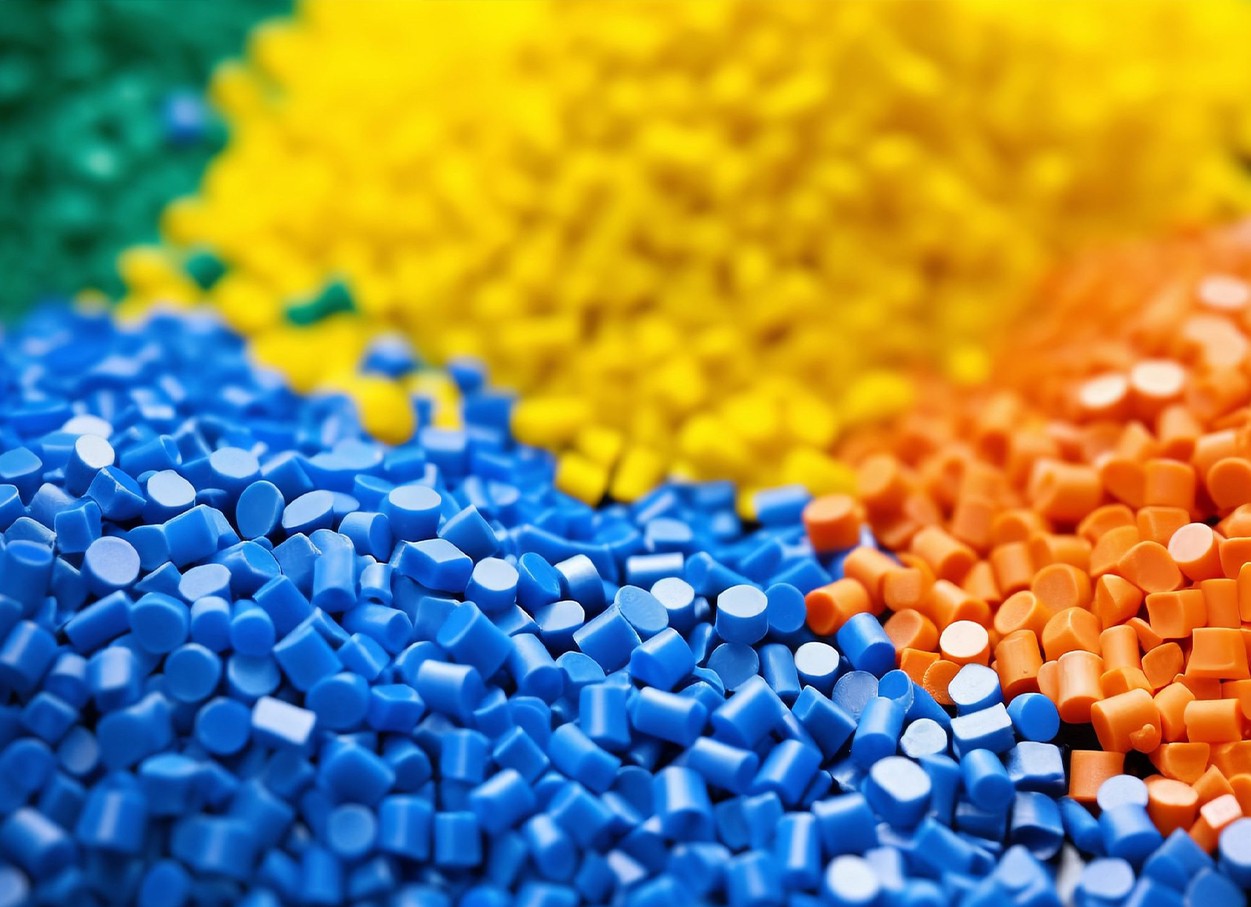
Lightweighting of new energy vehicles, durability of wind turbine blades, low dielectric loss of 5G communication housings—behind these cutting-edge applications lie high-performance polymers and specialty additives. From bio-based plastics to epoxy curing agents, from slip agents to polymerization inhibitors, chemicals are redefining the performance boundaries of materials. This article focuses on core raw materials in our product line including 2,5-Furandicarboxylic Acid (FDCA) , Erucic Acid, Hydroxypropyl Methacrylate (HPMA) , 2-Ethyl-4-methylimidazole, Hydroquinone, and Acetic Anhydride, analyzing their key roles in polymer synthesis, modification, and processing.
Bio-Based Platform Chemical: 2,5-Furandicarboxylic Acid (FDCA)
FDCA is considered the most important bio-based aromatic diacid after terephthalic acid. FDCA is produced by oxidation of hydroxymethylfurfural (HMF) from fructose or glucose and can be polymerized with ethylene glycol to form polyethylene furanoate (PEF). Compared to PET, PEF exhibits a higher glass transition temperature (Tg ~85°C vs 70°C) and superior gas barrier properties (5-10 times improvement in CO2 and O2 barrier). FDCA can also be used to synthesize bio-based polyamides, polyurethanes, and epoxy resins. Our FDCA has purity >99.5% and ash content <0.1%, suitable for polymerization-grade applications.
Plastic Film Slip Agent: Erucic Acid
In the production of BOPP film, PE film, and CPP film, Erucic Acid is one of the most commonly used slip agents. Erucic Acid (cis-13-docosenoic acid) is a long-chain unsaturated fatty acid that migrates to the film surface during cooling, forming a microscopic lubricating layer that reduces the coefficient of friction (COF) from 0.5-0.8 to 0.1-0.2. Films treated with Erucic Acid run smoothly on high-speed automatic packaging lines, reducing film jams and downtime. The recommended addition level is 0.05-0.2%. Erucic Acid is also used as a surfactant, lubricant, and textile softener.
UV-Curable and Reactive Monomer: Hydroxypropyl Methacrylate (HPMA)
HPMA is a bifunctional monomer containing both hydroxyl and vinyl groups. In UV-curable coatings, HPMA participates in free radical polymerization as a reactive diluent, adjusting system viscosity and crosslinking density. The hydroxyl group of HPMA can react with isocyanates to prepare polyurethane acrylate (PUA) oligomers. In optical fiber coatings, formulations containing HPMA impart good adhesion and hydrolysis resistance. In contact lens materials, HPMA copolymers provide oxygen permeability and hydrophilicity.
Latent Epoxy Curing Agent: 2-Ethyl-4-methylimidazole
2-Ethyl-4-methylimidazole is a tertiary amine epoxy curing agent that, when mixed with epoxy resin at room temperature, offers a long pot life (latency) and cures rapidly at elevated temperatures (80-120°C). 2-Ethyl-4-methylimidazole is widely used in structural adhesives, carbon fiber prepregs, wind turbine blade adhesives, and electronic encapsulation materials. Compared to aliphatic polyamines, epoxy resins cured with 2-Ethyl-4-methylimidazole exhibit higher heat resistance and better electrical insulation properties. The recommended dosage is 3-8% of the epoxy equivalent weight (EEW).
Polymerization Inhibitor and Stabilizer: Hydroquinone
During the storage and transportation of monomers such as acrylic acid, styrene, and vinyl acetate, Hydroquinone acts as an efficient polymerization inhibitor, preventing spontaneous polymerization by scavenging free radicals. Typical addition levels range from 50 to 200 ppm. In resin formulations, Hydroquinone can extend gel time. Additionally, Hydroquinone is a major component of black-and-white film developing solutions and is also used in rubber antioxidants and certain dye intermediates.
Acetylation Reagent: Acetic Anhydride
Acetic Anhydride is one of the most important acetylation reagents. In cellulose acetate production, Acetic Anhydride reacts with cellulose to form cellulose triacetate, used in textile fibers and cigarette filters. In the pharmaceutical industry, Acetic Anhydride is used to synthesize aspirin (acetylsalicylic acid) and paracetamol (acetaminophen). Acetic Anhydride is also used in the preparation of certain dyes and fragrances.
Conclusion
From bio-derived FDCA to Erucic Acid that improves packaging line speeds, from HPMA in UV coatings to 2-Ethyl-4-methylimidazole in wind turbine blades—our high-performance materials and polymers product line covers the complete chain from polymerization monomers to processing aids. To obtain technical data sheets or samples, please visit our product page.
Navigation
- The Benefits of Glucose to the Human Body
- Breaking the Formulation Limit: A New Generation of Disodium Lauroyl Glutamyl Lysinate, Surpassing Japan's Star Emulsifier Through Process Revolution
- CPHI Korea 2026: Connecting Global Raw Materials, Empowering China-Korea Pharmaceutical Collaboration
- The 2026 India Vitamin Food Exhibition Concludes Successfully, Pioneering the Innovative Future of Nutraceuticals
- Industrial & Heavy Manufacturing
- Food & Nutritional Health
Send Us A Message